

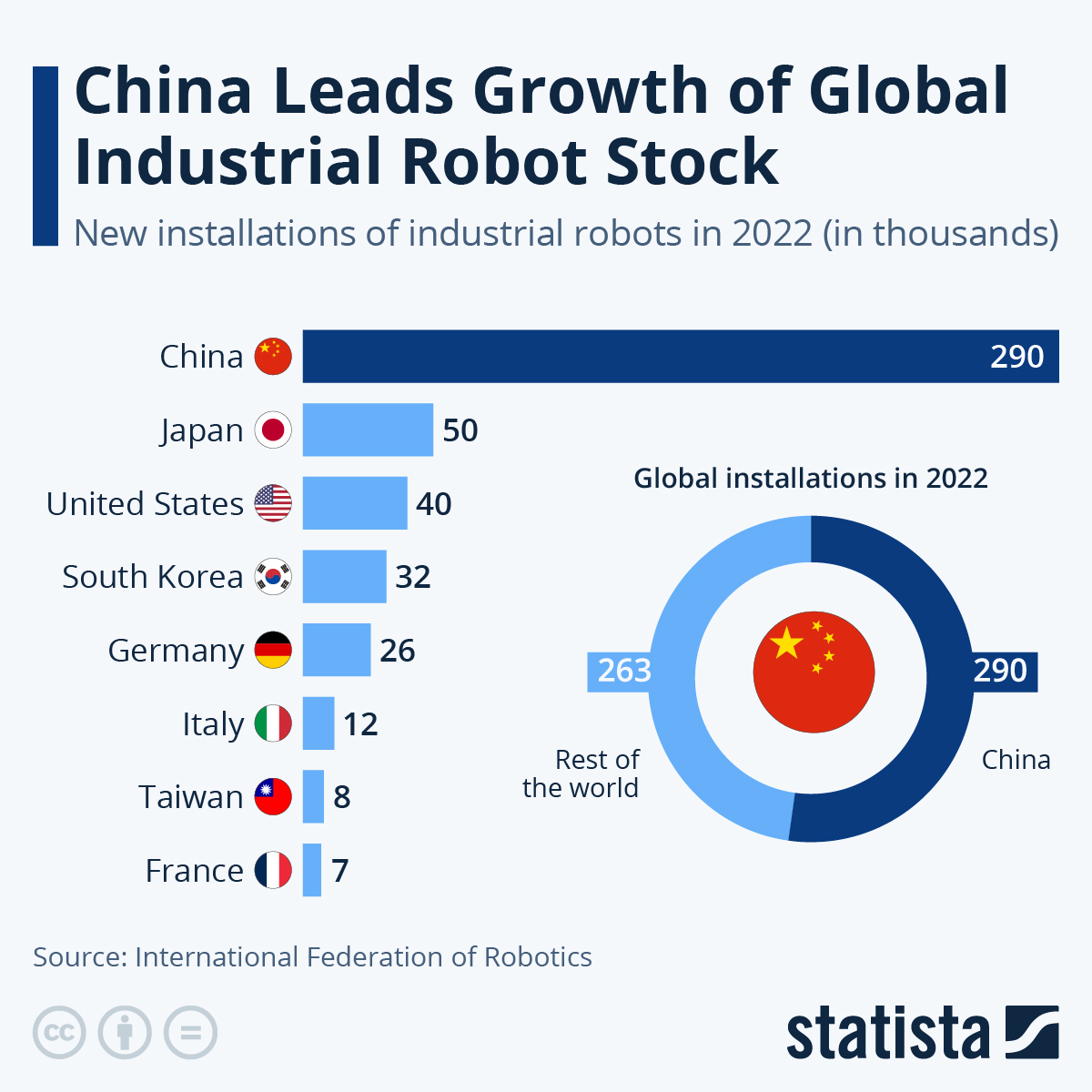
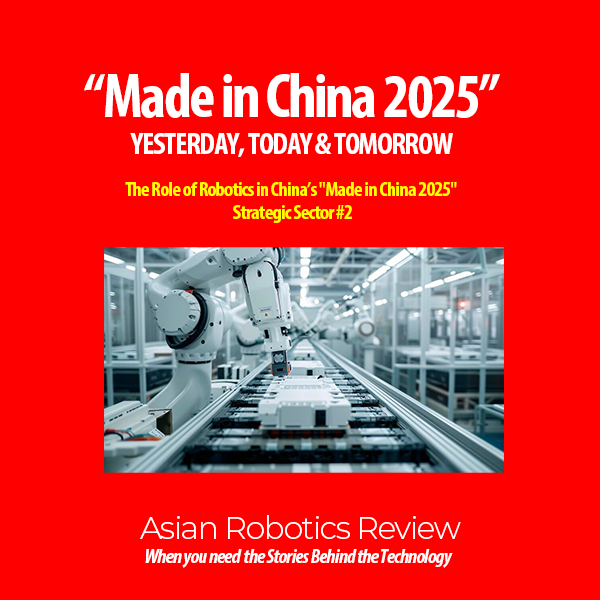
In recent years, domestically manufactured industrial robots in China have gained significant traction, driven by the country’s strategic focus on automation and advanced manufacturing. This growth aligns with China’s “Made in China 2025” initiative, aiming to elevate the country’s position as a leader in high-tech industries.
Below is an overview of the landscape and the top brands shaping the sector:
Siasun Robot & Automation Co., Ltd.
Siasun is a leading Chinese brand in the field of industrial robotics and automation. Established in 2000, it is a part of the Chinese Academy of Sciences and is one of the largest and most established robotics companies in China. Siasun is renowned for its comprehensive product line that includes robotic arms, automated guided vehicles (AGVs), and specialized solutions for automotive and electronics manufacturing. It is highly popular due to its consistent innovation, reliable performance, and its strong position as a homegrown leader that competes with major international brands.
Estun Automation
Estun Automation is a well-known robotics and automation solutions provider, particularly respected for its servo systems and motion control technologies. It has grown rapidly over the past decade, gaining popularity in the domestic market for producing high-quality, cost-effective industrial robots used in applications such as welding, assembly, and material handling. Estun’s strategic acquisitions and partnerships have strengthened its technical capabilities, positioning it as a strong competitor to foreign companies. Its popularity stems from its focus on affordability without sacrificing quality, which appeals to many medium-sized enterprises in China.
Estun Automation has pursued a strategic approach of acquisitions to enhance its technological capabilities, expand its product portfolio, and strengthen its position in the global robotics market.
Some key acquisitions include:
1. Cloos (Carl Cloos Schweißtechnik GmbH)
In 2019, Estun Automation acquired a majority stake in Cloos, a German company specializing in welding technology and automation. The primary reason behind this acquisition was to bolster Estun’s expertise in welding robotics and automation solutions. Cloos brought advanced technology in arc welding, robot controllers, and welding applications, allowing Estun to offer more sophisticated solutions for automotive, aerospace, and heavy machinery industries. This move was part of Estun’s efforts to integrate high-end European technology with its own products, elevating its competitiveness in both domestic and international markets.
2. TRIO Motion Technology Ltd.
Estun acquired TRIO Motion Technology, a British motion control company, to strengthen its control system capabilities. The acquisition aimed to enhance Estun’s technological edge in motion control—a critical component for the precision and functionality of industrial robots. With TRIO’s expertise, Estun could integrate advanced control solutions into its robots, enabling better performance in complex industrial applications. This acquisition helped Estun expand its product offerings and improve the synergy between its servo systems and robotics, facilitating more integrated automation solutions.
3. BARRETT Technology
Estun acquired a stake in BARRETT Technology, a company based in the U.S. known for its high-performance robotic arms and haptic technology. The purpose of this acquisition was to gain access to advanced robotic technologies, including lightweight robotic arms with sophisticated human-like motion. This move allowed Estun to expand into applications that require dexterous and precise robots, enhancing its portfolio for both collaborative robotics (cobots) and specialized automation sectors.
4. Euclid Labs
A “visionics” for robots company in Italy, acquired 20% of in 2017
5. Mai
A robot production systems company in Germany, gained control of in 2018
Strategic Reasons for These Acquisitions
Technological Advancement: By acquiring companies with specialized expertise, Estun aimed to integrate world-class technology into its own systems, improving the functionality and competitiveness of its robots.
Global Expansion: These acquisitions helped Estun increase its global footprint, entering new markets and establishing a presence in Europe and North America.
Product Diversification: The acquisitions allowed Estun to offer a broader range of products and services, meeting a wider array of industry needs from welding automation to precision motion control.
These strategic moves align with Estun Automation’s vision of becoming a comprehensive provider of intelligent manufacturing solutions, capable of competing with global leaders in industrial robotics.
EFORT Intelligent Equipment
EFORT is a rising star in China’s industrial robotics sector, known for its reliable and adaptable robotic systems used across automotive, metalworking, and electronics industries. The brand has benefited from strong government support and collaborative projects that have amplified its presence in the market.
EFORT’s popularity is attributed to its versatile product range and commitment to providing comprehensive automation solutions, making it a favored choice for both large-scale factories and smaller production facilities. The company has also expanded its presence globally, reflecting its growing reputation outside China.
Inovance
Inovance is the largest industrial automation company in China as well as its second largest domestic producer of industrial robots. Founded by a group of former Huawei engineers, the company has been dubbed “Little Huawei”. Founded in 2003, the company has a diverse product portfolio that includes industrial robots, motion control systems, CNC machines, servo drives, and various control devices.
Inovance produces a range of robots, including SCARA robots, six-axis robots, and screwing robots. These are used in applications such as assembly, welding, and material handling. The company also integrates industrial vision systems and control cabinets to enhance automation processes
Overview of Market Presence and Trends
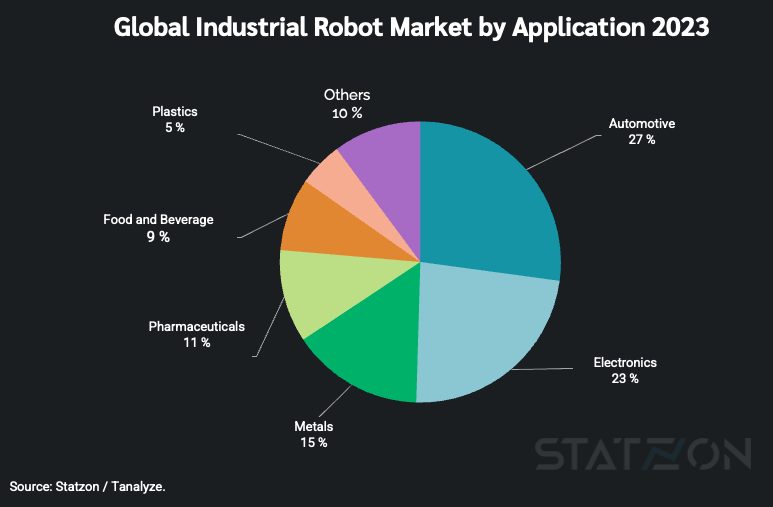
The popularity of domestically manufactured industrial robots in China can be attributed to a combination of cost competitiveness, innovation, and government policies favoring domestic suppliers. These brands compete not only against each other but also with well-established international robotics companies such as FANUC, ABB, and KUKA. However, local manufacturers like Siasun, Estun, and EFORT have carved out significant market share by offering tailored solutions and addressing the unique demands of the Chinese manufacturing landscape.
The domestic market continues to expand as industries seek to modernize production lines to boost efficiency and mitigate labor shortages. Additionally, with advancements in AI and machine learning integration, Chinese robot manufacturers are increasingly capable of producing intelligent, high-precision machines that enhance productivity across various sectors.
SEE RELATED: “Made in China 2025” The Role of Robotics
.